Business Name: FootPrints Home Care
Address: 4811 Hardware Dr NE d1, Albuquerque, NM 87109
Phone: (505) 828-3918
FootPrints Home Care
FootPrints Home Care offers in-home senior care including assistance with activities of daily living, meal preparation and light housekeeping, companion care and more. We offer a no-charge in-home assessment to design care for the client to age in place. FootPrints offers senior home care in the greater Albuquerque region as well as the Santa Fe/Los Alamos area.
4811 Hardware Dr NE d1, Albuquerque, NM 87109
Business Hours
Monday thru Sunday: 24 Hours
Facebook: https://www.facebook.com/FootPrintsHomeCare/
Instagram: https://www.instagram.com/footprintshomecare/
LinkedIn: https://www.linkedin.com/company/footprints-home-care
Families generally hit a tipping point before they call about in-home senior care. A fall that shakes confidence. A child seeing the range left on again. A boy who lives three states away and invests every telephone call attempting, gently, to evaluate whether his dad's plots up with truth. The decision to bring assistance into a parent's home rarely begins as a cool strategy. It gets here as a series of small alarms that, taken together, say: it's time.
Handled well, in-home care does more than keep a calendar loaded with consultations and a refrigerator stocked with meals. It can bring back a sense of control, minimize avoidable hospitalizations, and knit household relationships back together by taking the pressure off any one person. The work is practical, but the effect is psychological. This guide is written from the vantage point of helping numerous households browse that shift, including the difficult parts that sales brochures gloss over.
What changes when care comes home
The first obvious modification is speed. Senior home care brings expert rhythm to everyday regimens that have actually become unforeseeable. A caregiver reaching 8 a.m. sets the day in movement, and that steadiness has ripple effects: blood pressure readings end up being consistent, blood sugars stabilize, bathing no longer depends on a good-energy day, and medications stop running out at odd times. The second change is safety. Many homes were developed for young knees and clear eyesight, not walkers, grab bars, and post-op restrictions. An experienced in-home care planner will read a space the method an OT would, finding throw carpets that slip, steps without contrast tape, dim bulbs in corridors, and shower lips that might utilize a low-priced limit ramp.
Less visible, however just as important, is the change in relationships. Spouses move from being 24/7 caretakers back towards being partners. Adult children restore their function as family, not enforcers. Elders frequently feel relief too, though they may not state it initially. Accepting help can feel like an admission. But the best match provides an almost instant advantage: fewer arguments about bathing, driving, or meals because a third party is handling those friction points with calm, practiced routines.
The menu of in-home care services, discussed without jargon
Agencies and independent caretakers frequently describe services in pails, but families need to know who does what, when, and how.

Personal care implies hands-on support with bathing, dressing, grooming, toileting, and movement. The difference between standby assistance and full hands-on aid matters for safety and dignity. A caregiver who knows how to cue instead of do can keep a client's muscles engaged and confidence intact.
Companionship sounds soft, however it's structured when succeeded. It can be as easy as shared coffee and the morning paper, or as deliberate as a standing Wednesday chess match to keep cognition engaged. Loneliness drives hospitalizations and bad results. Companionship addresses a scientific issue in a human way.
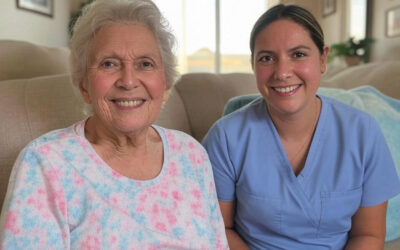
Homemaking is the scaffolding of a home care safe home: laundry, dishes, light housekeeping, meal preparation, garbage out on the right day, family pet care when flexing is difficult. Little things prevent huge dangers. A tidy counter minimizes foodborne disease. Clear floorings decrease falls. Routine laundry lessens skin breakdown.
Medication assistance varies by state guidelines, which is why you'll hear different terms. In some places, caretakers can administer meds. In others, they can just advise and observe. In any case, constant timing closes the gap that causes missed doses or duplicates.
Transportation and errands have outsized effect. The ability to get to the barber, church, or bridge club often identifies whether someone feels trapped or connected. An in-home care strategy that consists of three trips a week can change mood and hunger, especially after a hospitalization.
Specialized care develops on the essentials. Dementia-capable caregiving looks different from post-surgical support or late-stage Parkinson's. Methods matter. For dementia, eye-level engagement, short clear hints, and activity-based redirection avoid agitation much better than argument ever could. For movement disorders, gait belts, pacing, and breaks turn a risky transfer into a steady one.
When a little help is the correct amount, and when it is n'thtmlplcehlder 28end. Families ask how many hours to begin with. The unsatisfying answer is, it depends, however there are patterns that hold up. After a fall or healthcare facility discharge, 24 to 72 hours of protection during the first week can keep a problem from ending up being a readmission. After that, tapering to 4 to 6 hours each day for 2 to 5 days a week frequently carries somebody safely through the recovery window. For chronic conditions, the concern is less about hours and more about coverage spaces. If your mother is safe in the late morning but sundowns at 4 p.m., build the schedule around late afternoon and evening. If your father demands cooking but forgets burners, schedule meal preparation and cleanup throughout dinner time, and consider a range safety gadget. If both partners have movement problems, early mornings become the high-risk duration for falls in the restroom, so target those hours. There are limitations to what at home senior care can securely manage. If someone requires two-person transfers 24 hours a day, tube feeding with regular interventions, or has unchecked wandering in the evening in a hectic area without safe and secure exits, home may still be possible, however it needs innovative preparation, specialized devices, and possibly live-in protection. Households in some cases try to stretch a couple of hours of care into scenarios where it will never be enough. A truthful assessment saves everyone aggravation, and in my experience seniors sense the stress long previously anyone admits it. The economics: straight talk on expense, coverage, and where the waste hides
Cost shapes almost every decision. Private pay in-home care varieties commonly by region, generally from the mid-20s to the mid-40s per hour for firm care. Live-in plans typically follow a flat day rate with guidelines around undisturbed sleep and breaks. Independent caretakers might charge less per hour, however families then bring the weight of payroll taxes, employee's compensation danger, and backup coverage when the caregiver is sick. Firm care bakes those into the rate.
Insurance is a patchwork. Standard Medicare does not pay for non-medical in-home care. It covers periodic skilled services bought by a doctor, such as nursing, physical therapy, or speech therapy, which are episodic, not continuous day-to-day care. Medicare Advantage prepares in some markets now offer limited in-home support benefits, however the scope varies and frequently caps at a modest variety of hours. Long-lasting care insurance is the most simple payer for senior home care if the policy is active and benefit triggers are satisfied, typically defined by requiring help with two or more activities of daily living or having a cognitive disability. Policies enjoy paperwork. Care strategies, shift notes, and doctor letters make or break prompt reimbursement.
Families can cut waste without cutting security. Arrange caregiver hours around high-need jobs instead of a flat 9 to 5. If mealtime, showering, and medication are the anchors, select 2 blocks that cover them, separated by a rest period. Stock duplicate items like tooth brushes and combs in the restroom and bedroom to lower back-and-forth transfers. Purchase adaptive clothes with magnetic closures if arthritis makes buttons the traffic jam. A one-time invest in a shower chair and strong grab bars, generally less than a couple of hundred dollars total, avoids the type of fall that eliminates months of mindful planning.
How a great care plan actually gets built
The greatest plans begin with one clear goal and develop outward. A daughter once told me her mother's objective was simple: keep participating in the Friday knitting circle. That offered us an anchor to develop weekday regimens around sleep, bathing, and leg swelling management so Fridays stayed feasible.
Assessment needs to include a walk-through of the home at the time of day when issues appear. Early morning assessments miss out on sunset confusion. Midday gos to miss out on the slippery bath mat that only ends up being a risk during shower time. I bring a tape measure, a little level, and a flashlight. Entrance widths inform you whether a walker will slide or capture. A level reveals whether a ramp is legal safe slope. A flashlight assists spot low-contrast edges on steps where a strip of high-contrast tape can avoid missteps.
The care plan must be a living document, actually on paper in the home and digitally in the agency system. It specifies hydration targets, preferred dishes, individual history for conversation prompts, and small details that prevent friction: favorite coffee mug, the order somebody likes to gown, the channel the television need to arrive at. Households who believe those are extras learn quickly that little conveniences protect self-respect and minimize resistance to care.
Matching caregiver and customer: the art behind the logistics
Fit is not only about skill. It is about rhythm and respect. Some clients require caregivers who take peaceful initiative. Others wish to direct every step, and will fire somebody who loads the dishwashing machine in a different way. Culture, language, and gender choices matter. If your father will decline assist with bathing from a female caretaker, state so in advance. If your mother illuminate when someone speaks her mother tongue, that is a medical intervention camouflaged as social grace.
I ask 3 concerns before proposing a match. What sort of humor lands well here? What speed does the family keep? What subjects are off-limits or beloved? This prevents the inequality where a bubbly extrovert wears out a client who prefers sluggish early mornings, or where a caretaker's favorite sports talk feels like sound to a classical pianist.
Agencies that do this well treat the very first two weeks as a calibration period. They gather feedback everyday and change. Independent plans require the exact same structure, even if informally. Keep a basic log: arrivals, departures, what worked, what did not, cravings, hydration, bowel movements, mood, and any near-falls. Patterns emerge quickly. If restlessness spikes at 3 p.m., attempt a short walk at 2:30 and a protein-rich treat. If sundowning leads to pacing, dim your house earlier, close drapes before sunset to avoid reflections, and shift high-stimulation jobs to morning.
Dementia at home: what changes the game
Dementia care in the house is successful when communication shifts from persuasion to validation. Arguing about facts escalates distress. Satisfying feelings with calm acknowledgment defuses it. If a mother thinks her long-deceased sister is coming for tea, there is no damage in setting 2 cups and talking about their childhood. Anchoring activities are potent: folding towels, sorting photos, shelling peas. They tap procedural memory that outlasts short-term recall.
Safety adjustments bring additional weight. Install chimes on doors if roaming is a danger. Simplify the environment. Label drawers with words and photos. Reduce mirrored surfaces that can be misinterpreted as a stranger in the room. For medications, a lockable dispenser with timed access lowers the chance of double dosing. Hydration can become the central battle. Offer fluids in preferred cups and high-water fruits like melon and oranges, and pair every bathroom trip with a drink on the return to create habit.
Caregiver burnout is not a character defect. It is a foreseeable result of a 24-hour disease. Respite is not optional; it is treatment for the household. Use short at home shifts, adult day programs two days a week, or a standing afternoon off for the main caregiver. Households who wait to request for aid typically do so after an avoidable crisis, and then healing takes longer.
Hospital-to-home shifts: where in-home care prevents the 2nd admission
The 7 to 10 days after discharge are risky. Med lists change, endurance is low, and the home may not be set up for brand-new constraints. In-home care plugs the gaps that outpatient orders assume away. A nurse can fix up medications and teach signs that necessitate a call. A caregiver can prep meals that align with brand-new limitations, established a bedside commode to minimize nighttime falls, and manage the standard rhythm of rest and motion that keeps surgical websites healing and lungs clear.
One client came home after a CHF exacerbation with 5 medication modifications and fluid restrictions. The caregiver took daily weights, logged sodium in meals, and called the nurse when weight climbed up two pounds in 24 hr. That telephone call caused a fast diuretic modification and avoided a readmission. This is not expensive medicine. It corresponds observation connected to a plan that empowers a caregiver to act.
Technology that assists without taking over
Smart gadgets can be allies if they are selected for simplicity and maintained by someone who will actually upgrade them. Video doorbells minimize the stress and anxiety of unanticipated knocks. Voice assistants set medication pointers and play preferred music. Automatic stove shut-off devices secure versus ignored cooking. For households at a range, video cameras in common areas can be appropriate when consent is clear and dignity is respected, though they are not a substitute for presence.
The trap is to over-tech a household that requires human options. A motion sensing unit does not assist when the problem is dehydration and confusion. An app does not persuade somebody to shower. Usage tech to extend safe self-reliance, not to change care that requires human judgment and relationship.
The family characteristics you can prepare for
Care magnifies old patterns. The sibling who managed finances in college frequently ends up being the default expense payer. The one who lived closest stays the point individual. Resentments simmer when roles harden without discussion. Put structure in early. Settle on decision thresholds: when driving will stop briefly pending an expert assessment, which alters need a family call, who will be emergency contact for the company or caregiver. Draft a shared calendar and a shared document folder with powers of lawyer, medication lists, consultation notes, and contacts. It decreases the late night texts that mix feeling and logistics.
An easy family pact helps: presume great intent, react instead of respond, and step solutions by how your parent would define an excellent day. If your father's perfect day consists of watering the garden at daybreak, style the plan so that still happens, even if it implies somebody else lays out the tube and views steadying from a deck chair. If your mother worths her church neighborhood above all, focus on transport there over a 3rd housekeeping day.
Choosing an agency or independent caretaker with eyes open
You would like to know more than whether a service provider provides "in-home care." Ask how they train for the circumstances you really face, how they interact modifications, and how they staff backups. The right questions cut through marketing.
Here is a short checklist you can utilize when talking to companies:
- Licensing and insurance: Are caretakers W-2 workers with employee's settlement coverage, and what liability insurance does the agency carry? Supervision and training: How are caretakers oriented to new customers, and who is available after hours when something changes? Continuity and backup: What is the plan if a caretaker calls out, and how often do you rotate personnel on a stable case? Care planning and paperwork: How do you build the care strategy, where is it stored, and how do households gain access to shift notes? Fit and feedback: What happens if the match is not right, and how quickly can we request changes?
If you are going the independent route, mirror those questions. Add clarity on payment schedule, taxes, time off, and coverage when the caregiver is ill. Put it in writing. A well-drafted arrangement does not signify skepticism; it keeps a good relationship clear.
Making the home safer without making it seem like a facility
Small, targeted modifications keep a home feeling like home. Replace brilliant white corridor bulbs with warm LEDs to reduce glare but keep lumens high. Add a 2nd handrail on stairs. Use lever manages instead of knobs. Place a durable chair by the front door and at the top of the stairs to offer a landing spot for shoes and breath. Use a contrasting bathmat that grips, not a decorative one that slides. Place a nightlight that glows low and consistent, not motion-activated bursts that shock at 2 a.m.
Think like water. Where would a spill cause trouble? Keep towels and a reacher in the kitchen area. Believe like gravity. Where would a slip be worst? Install grab bars before the first near-fall. Believe like memory. Which things help cue the next step? Set out clothing in order of dressing. Put a favorite mug beside the coffee maker. Set a small basket by the door identified secrets, glasses, wallet. These are not childish workarounds. They are ecological supports that make independence possible longer.
Measuring success beyond hours purchased
Families sometimes judge success by how many hours of in-home care they are moneying. Better metrics tell a truer story. Track falls, near-falls, hospitalizations, and emergency room visits. Count full meals eaten, weight trends, and hydration. Note mood, sleep quality, and involvement in favorite activities. Watch caretaker tension ratings, formally or informally. A decrease in arguments around bathing counts as much as a clean floor.
One family kept a simple regular monthly photo on a single page: medications on time, meals consumed, sleep quality, trips taken, mood notes, and any medical events. Over 6 months, the line that mattered most was "outings taken." When it dipped, so did appetite and state of mind. They changed hours to add two strolls and one social visit every week. Appetite and state of mind followed. The lesson holds: tie care to what makes life seem like life, not just risk reduction.
When to revisit the strategy and how to talk about change
Plans age. Strength lessens, cognition shifts, and seasons change regimens. Put official check-ins on the calendar: one month after care starts, then every 90 days, or quicker if there is a fall, a hospitalization, or a significant change in habits. Welcome the senior into the discussion, not as a courtesy however as a stakeholder. Ask 3 questions: What's working? What's using you out? What would make the day feel much better? Then adjust the plan, not the person.
Conversations about increasing care can seem like stepping on a landmine. Frame them as experiments, time-limited and specific. Let's attempt including evening support on Tuesdays and Thursdays for the next 2 weeks, then we'll revisit. The majority of resistance has to do with worry of losing control. Time-limited trials lower the stakes and let results speak.
The peaceful transformation
At its finest, in-home care does not feel like a trespasser in your home. It seems like a constant existence that turns concern into regular. A guy who once consumed coffee over the sink now sits at the table with a hot plate and a newspaper since someone took some time to set the stage. A woman who avoided showers now delights in a warm rinse due to the fact that the space is warmed, the towel is prepared, and no one rushes her. A child who used to call 3 times a day to look at her mother now calls when to speak about the grandkids since someone regional is seeing the basics.
There is no single plan that fits every home, which is the point. In-home care adapts to the contours of a life already lived. It appreciates the history in the furniture, the grooves on the stair treads, the pantry equipped a particular method. It includes structure where it helps and stands back where self-reliance still flourishes. The change is hardly ever fancy. It shows up as steadier days, safer nights, and a house that remains, in spirit and function, a home.
For households weighing the choice, begin small if that's what your parent will accept. Aim services at the locations where the day reliably goes sideways. Buy high-impact, low-priced security upgrades. Expect to revisit the strategy. Construct feedback loops. And keep in mind the procedure that matters most. If life in the house feels more like living and less like managing, the care is doing its task. In-home care belongs to that classification of aid that, when right-sized and fitted well, makes itself almost invisible. You notice it most by what no longer happens: the missed tablets, the cold dinners, the concern that hums in the background. That peaceful is the change. It is why home home, with the right support, typically remains the best address for aging well.
FootPrints Home Care is a Home Care Agency
FootPrints Home Care provides In-Home Care Services
FootPrints Home Care serves Seniors and Adults Requiring Assistance
FootPrints Home Care offers Companionship Care
FootPrints Home Care offers Personal Care Support
FootPrints Home Care provides In-Home Alzheimer’s and Dementia Care
FootPrints Home Care focuses on Maintaining Client Independence at Home
FootPrints Home Care employs Professional Caregivers
FootPrints Home Care operates in Albuquerque, NM
FootPrints Home Care prioritizes Customized Care Plans for Each Client
FootPrints Home Care provides 24-Hour In-Home Support
FootPrints Home Care assists with Activities of Daily Living (ADLs)
FootPrints Home Care supports Medication Reminders and Monitoring
FootPrints Home Care delivers Respite Care for Family Caregivers
FootPrints Home Care ensures Safety and Comfort Within the Home
FootPrints Home Care coordinates with Family Members and Healthcare Providers
FootPrints Home Care offers Housekeeping and Homemaker Services
FootPrints Home Care specializes in Non-Medical Care for Aging Adults
FootPrints Home Care maintains Flexible Scheduling and Care Plan Options
FootPrints Home Care is guided by Faith-Based Principles of Compassion and Service
FootPrints Home Care has a phone number of (505) 828-3918
FootPrints Home Care has an address of 4811 Hardware Dr NE d1, Albuquerque, NM 87109
FootPrints Home Care has a website https://footprintshomecare.com/
FootPrints Home Care has Google Maps listing https://maps.app.goo.gl/QobiEduAt9WFiA4e6
FootPrints Home Care has Facebook page https://www.facebook.com/FootPrintsHomeCare/
FootPrints Home Care has Instagram https://www.instagram.com/footprintshomecare/
FootPrints Home Care has LinkedIn https://www.linkedin.com/company/footprints-home-care
FootPrints Home Care won Top Work Places 2023-2024
FootPrints Home Care earned Best of Home Care 2025
FootPrints Home Care won Best Places to Work 2019
People Also Ask about FootPrints Home Care
What services does FootPrints Home Care provide?
FootPrints Home Care offers non-medical, in-home support for seniors and adults who wish to remain independent at home. Services include companionship, personal care, mobility assistance, housekeeping, meal preparation, respite care, dementia care, and help with activities of daily living (ADLs). Care plans are personalized to match each client’s needs, preferences, and daily routines.
How does FootPrints Home Care create personalized care plans?
Each care plan begins with a free in-home assessment, where FootPrints Home Care evaluates the client’s physical needs, home environment, routines, and family goals. From there, a customized plan is created covering daily tasks, safety considerations, caregiver scheduling, and long-term wellness needs. Plans are reviewed regularly and adjusted as care needs change.
Are your caregivers trained and background-checked?
Yes. All FootPrints Home Care caregivers undergo extensive background checks, reference verification, and professional screening before being hired. Caregivers are trained in senior support, dementia care techniques, communication, safety practices, and hands-on care. Ongoing training ensures that clients receive safe, compassionate, and professional support.
Can FootPrints Home Care provide care for clients with Alzheimer’s or dementia?
Absolutely. FootPrints Home Care offers specialized Alzheimer’s and dementia care designed to support cognitive changes, reduce anxiety, maintain routines, and create a safe home environment. Caregivers are trained in memory-care best practices, redirection techniques, communication strategies, and behavior support.
What areas does FootPrints Home Care serve?
FootPrints Home Care proudly serves Albuquerque New Mexico and surrounding communities, offering dependable, local in-home care to seniors and adults in need of extra daily support. If you’re unsure whether your home is within the service area, FootPrints Home Care can confirm coverage and help arrange the right care solution.
Where is FootPrints Home Care located?
FootPrints Home Care is conveniently located at 4811 Hardware Dr NE d1, Albuquerque, NM 87109. You can easily find directions on Google Maps or call at (505) 828-3918 24-hoursa day, Monday through Sunday
How can I contact FootPrints Home Care?
You can contact FootPrints Home Care by phone at: (505) 828-3918, visit their website at https://footprintshomecare.com/,or connect on social media via Facebook, Instagram & LinkedIn
FootPrints Home Care is proud to be located in the Albuquerque, NM serving customers in all surrounding communities, including those living in Rio Rancho, Albuquerque, Los Lunas, Santa Fe, North Valley, South Valley, Paradise Hill and Los Ranchos de Albuquerque and other communities of Bernalillo County New Mexico.